


A Complete Guide to Oiling and Maintaining Fabric Scissors

If you’ve ever sat down at your sewing table, picked up your scissors, and felt that slight resistance in the blades, you’ve probably wondered: Do these need oil? And if so, what kind of oil am I actually supposed to use?
It’s one of those deceptively simple questions that doesn’t always come with a clear answer. Some people swear by sewing machine oil, others reach for whatever they have in the kitchen, and if you’ve ever gone down an internet rabbit hole, you’ve likely seen both options recommended with equal confidence! The truth is, both approaches can work, but they’re not quite the same.
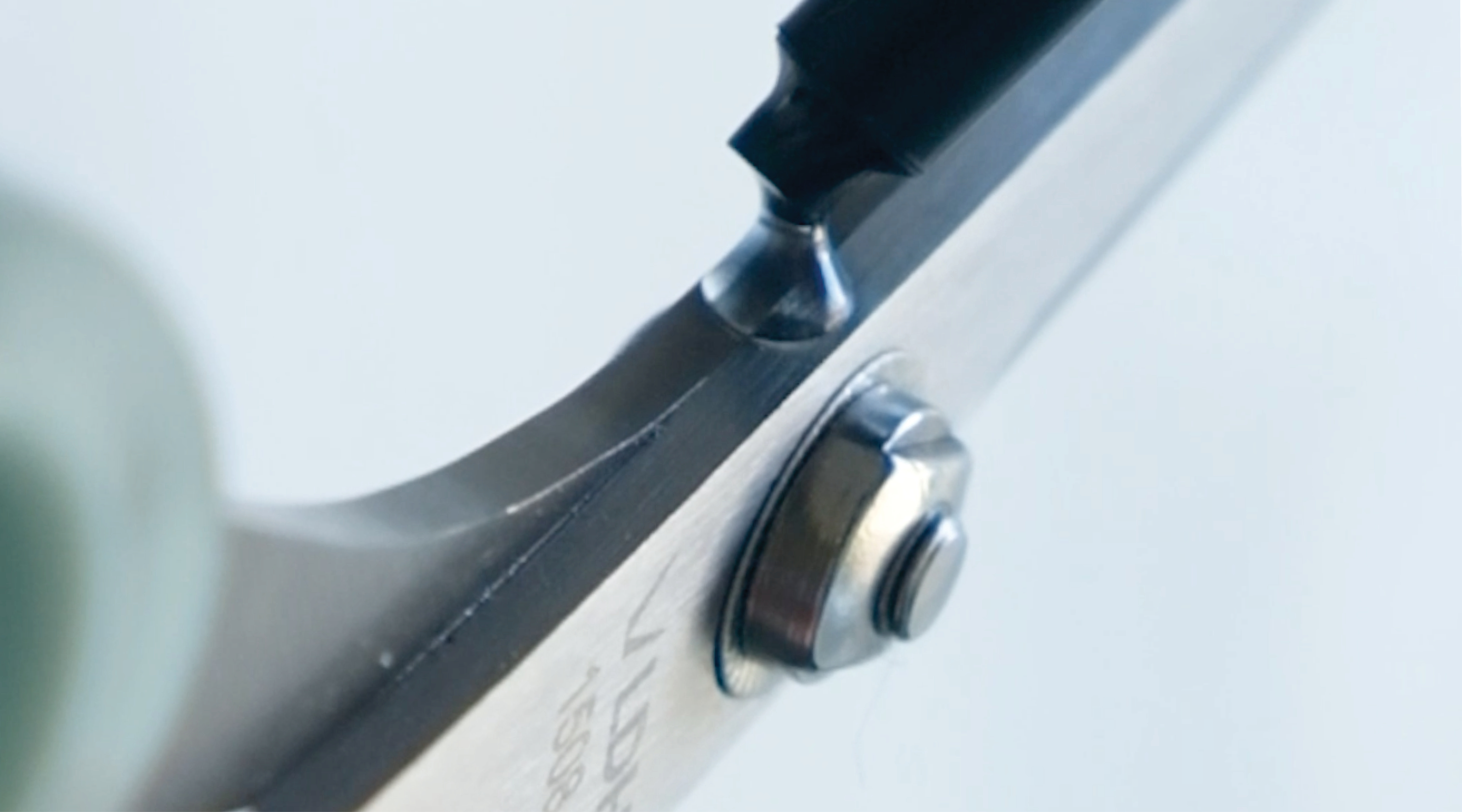
Why Oiling Your Scissors Matters
Before we get into types of oil, it helps to understand why oiling matters in the first place. At the center of every pair of scissors is the pivot, sometimes called the button. This is the point where the two blades are joined together, and it’s responsible for maintaining the tension that allows your scissors to cut properly.
Machine Oil vs. Vegetable Oil: What’s the Difference?
When it comes to oiling your scissors, the most common options fall into two categories: machine oils and vegetable or seed oils.
Machine oils, including sewing machine oil, are typically synthetic or petroleum-based. Vegetable and seed oils are natural and extracted directly from plants. Both can technically lubricate your scissors, but they behave very differently over time.
Machine Oil: Designed for Performance and Longevity
Machine oil is specifically formulated to work with moving metal parts, which makes it a natural fit for scissors. It is designed to withstand friction, penetrate tight spaces like the pivot, and provide smoother, longer-lasting movement.
Best for:
- Long-term maintenance
- Frequent use
- Consistent, smooth performance
Vegetable Oil: A Short-Term Solution That Works With Care
Vegetable oils can work as a short-term lubricant, but they come with an important tradeoff. Over time, they can oxidize and become thicker, sticky, or gummy. If left on your scissors too long, this can create buildup instead of smooth movement.
Best for:
- Occasional, short-term use
- Emergency maintenance
- Situations where machine oil isn’t available
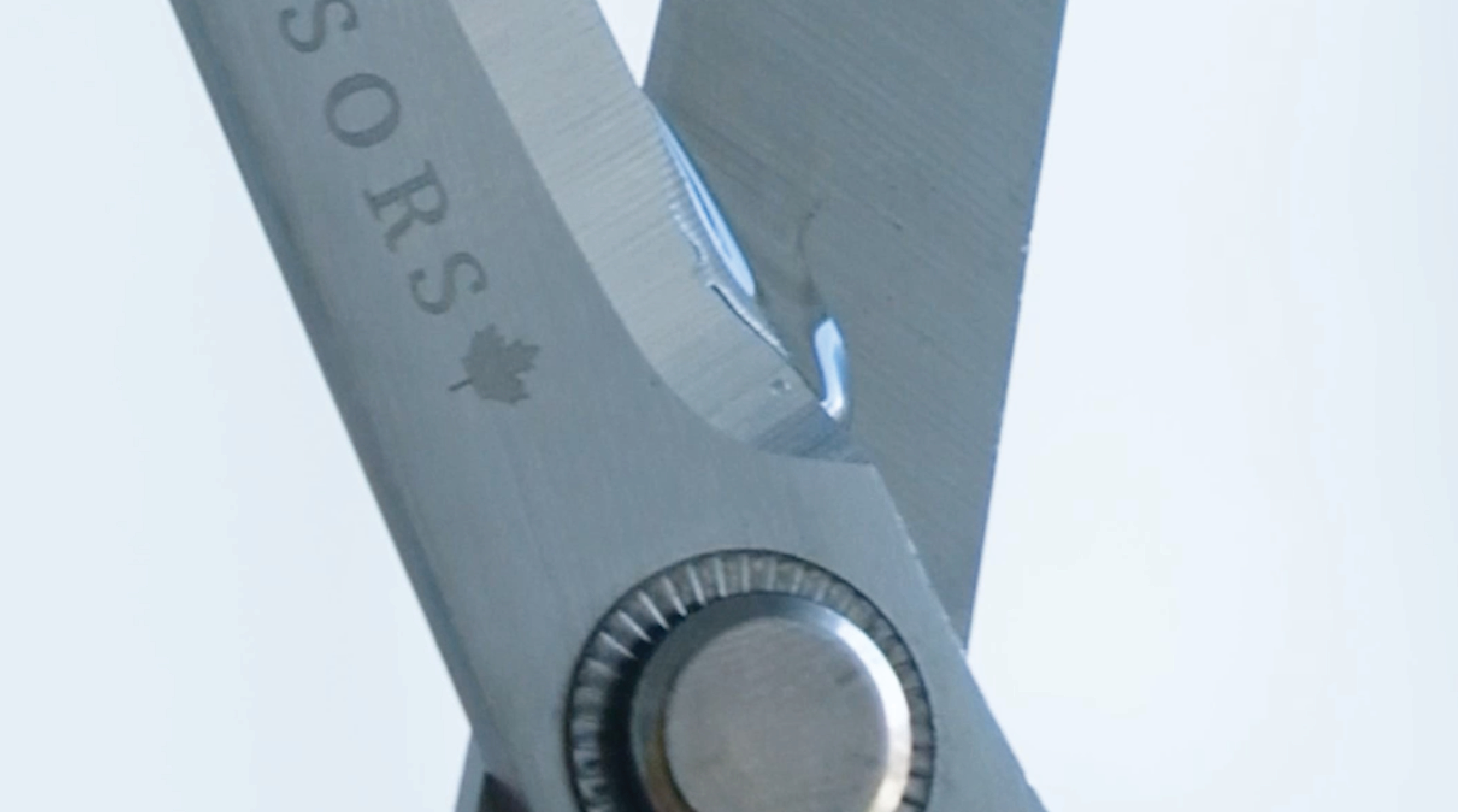
So… Does the Type of Oil You Use Actually Matter?
The honest answer is: yes and no.
If you’re oiling your scissors occasionally and cleaning them properly afterward, both machine oil and vegetable oil can do the job. But if you’re thinking about long-term care and performance, machine oil is usually the better choice.
How to Properly Oil Your Scissors
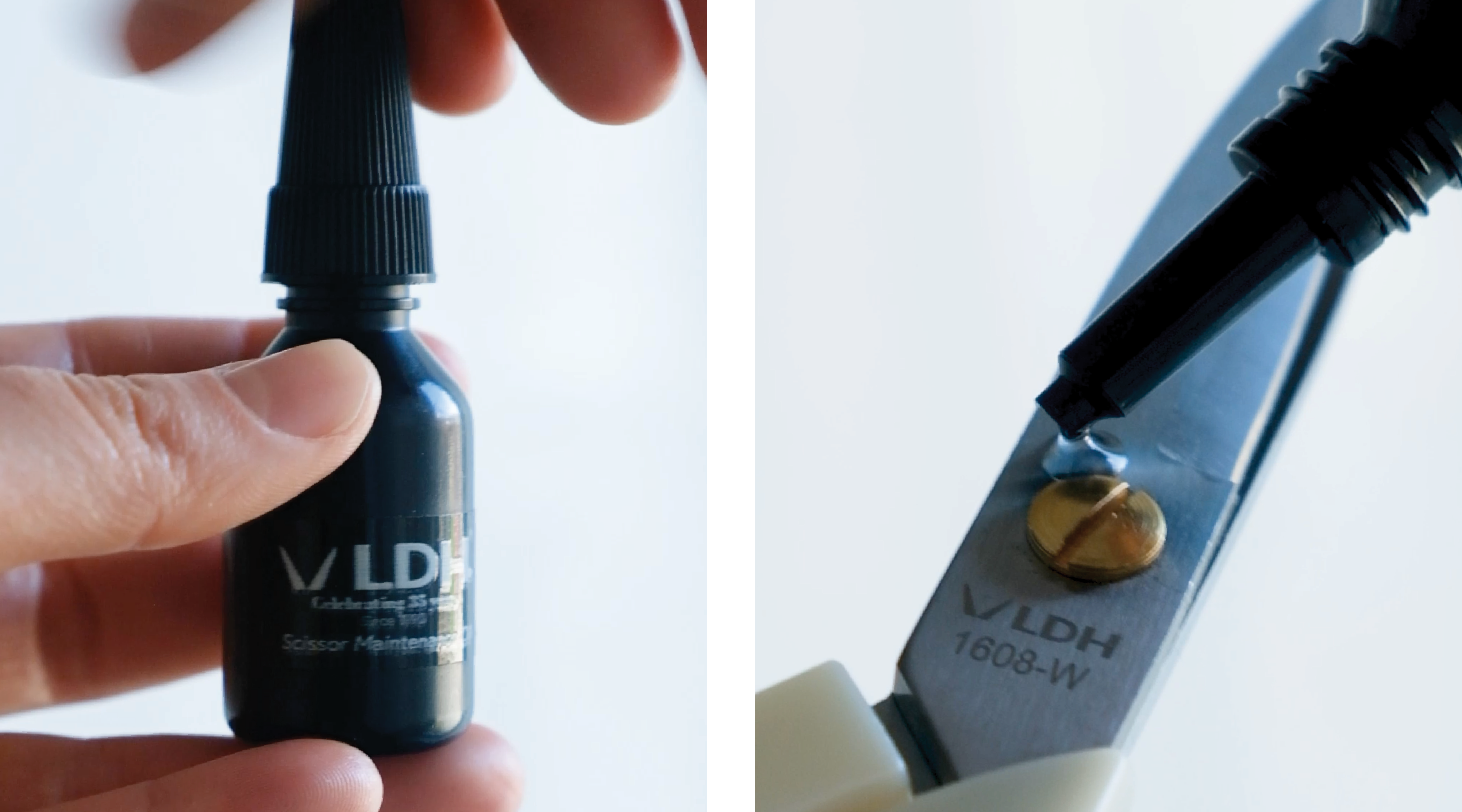
No matter which oil you choose, the process itself is simple and only takes a minute:
- Apply a small drop of oil directly to the pivot.
- Open and close the scissors several times to distribute the oil.
- Wipe away any excess with a soft cloth.
- If using vegetable oil, clean the blades thoroughly before your next use.
A little goes a long way here. You’re not trying to soak the scissors, just lightly lubricate the moving parts.
Scissor care doesn’t need to be complicated. A quick wipe after a project, a drop of oil every so often, and being intentional about how your tools are used and stored can help preserve that smooth, satisfying feeling when your scissors glide cleanly through fabric.
Leave a comment